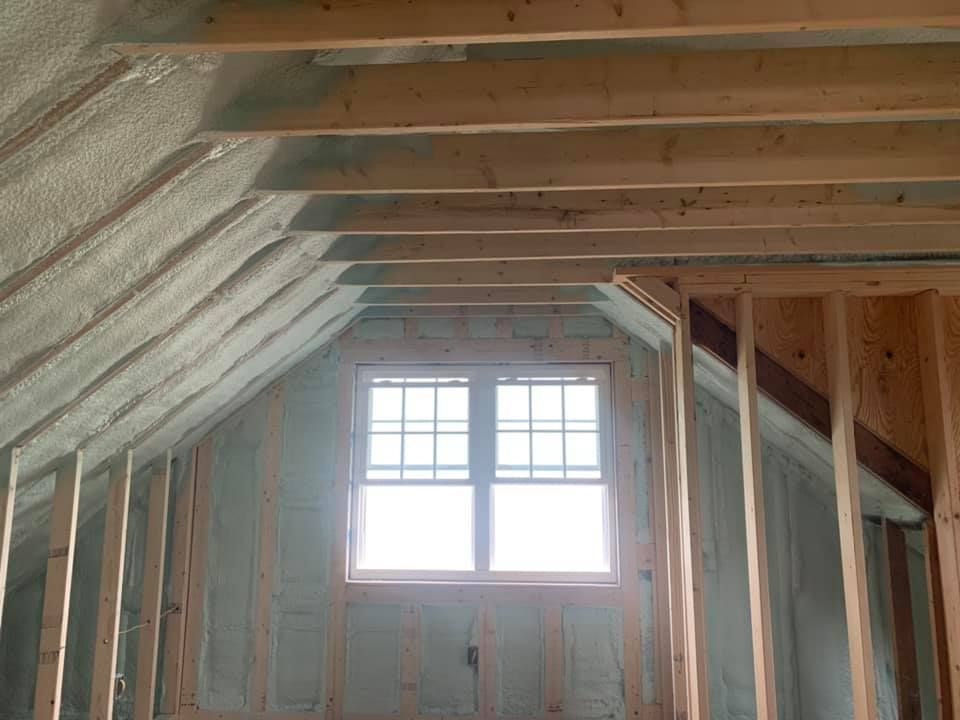
Open-Cell vs. Closed-Cell Spray Foam: Which Is Right for Your Project?
When it comes to improving energy efficiency and comfort, choosing the right insulation installation method is essential. Bittinger Spray Foam Insulation LLC is here to help. As an experienced insulation contractor serving residential, commercial, and industrial properties, we help our clients understand the differences between open-cell and closed-cell spray foam insulation so they can make confident decisions. Each option offers unique benefits, and the best choice will depend on your property, budget, and performance goals.
Understanding Open-Cell Spray Foam Insulation
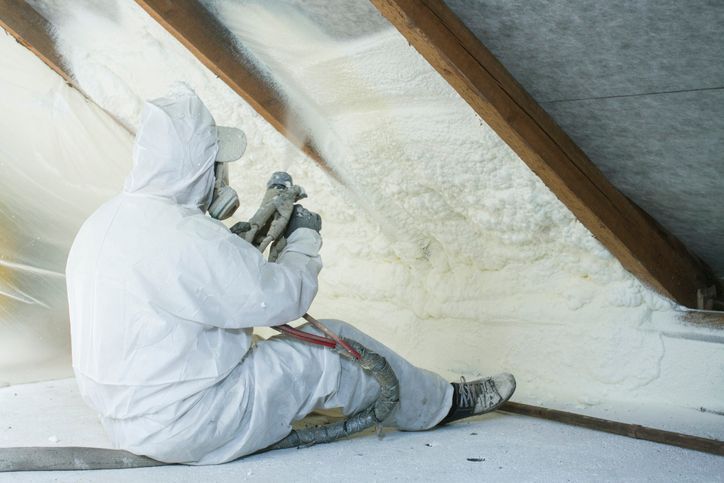
Open-cell spray foam insulation is a lightweight, flexible material that expands significantly upon application. It is designed to fill gaps and create an effective air barrier while remaining somewhat soft to the touch.
- Cost-Effective: Open-cell spray foam insulation is typically more affordable than other options, making it a popular choice for interior applications and larger coverage areas.
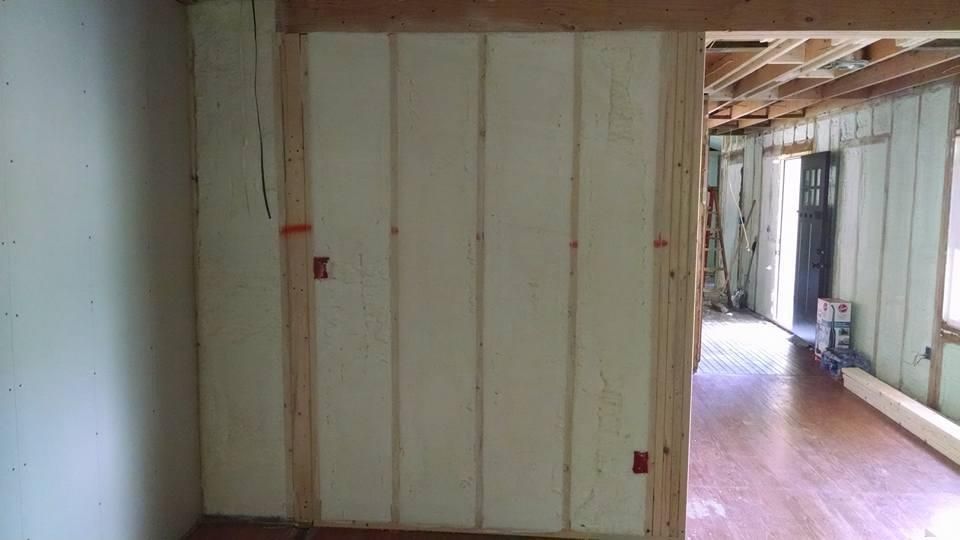
- Sound Dampening: Its softer structure helps reduce noise transmission. This makes it ideal for interior walls and ceilings.
- Breathability: Open-cell foam allows some moisture vapor to pass through. When managed properly, this can be beneficial in certain building assemblies.
We often recommend open-cell spray foam for residential projects, where sound control and budget-friendly insulation installation are priorities.
Understanding Closed-Cell Spray Foam Insulation
Closed-cell spray foam insulation is denser and more rigid than open-cell alternatives. It also offers a higher level of structural support and moisture resistance. Closed-cell spray foam expands less than open-cell foam, but delivers superior insulation performance per inch.
- Higher R-Value: Closed-cell foam provides greater thermal resistance, making it ideal for areas where maximum insulation performance is needed.
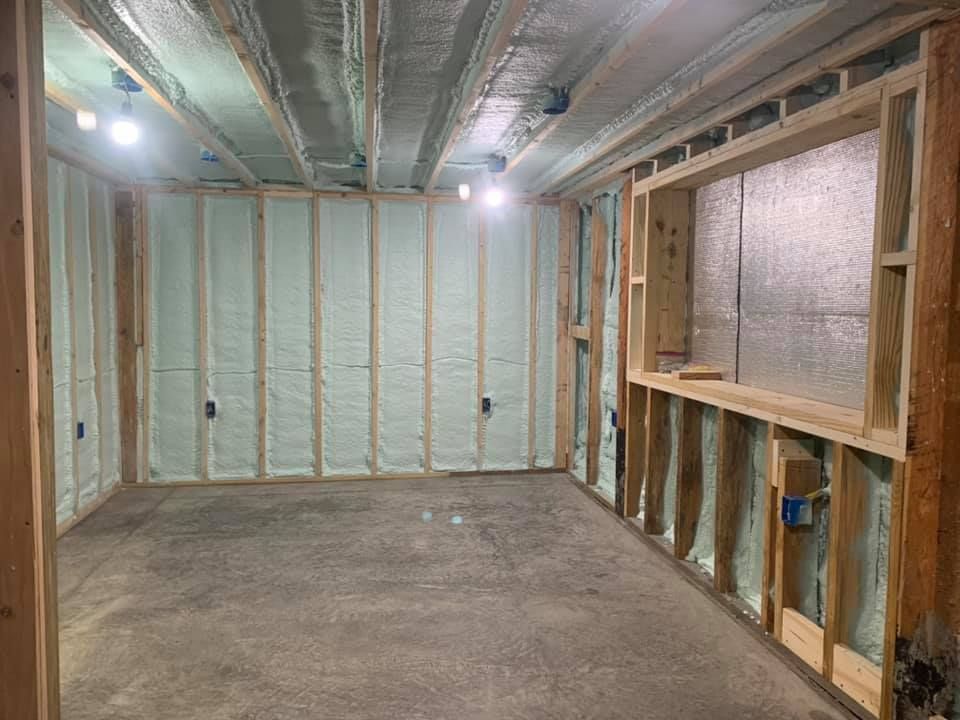
- Moisture Barrier: Its dense composition helps prevent water intrusion. This makes it suitable for basements, crawl spaces, and exterior applications.
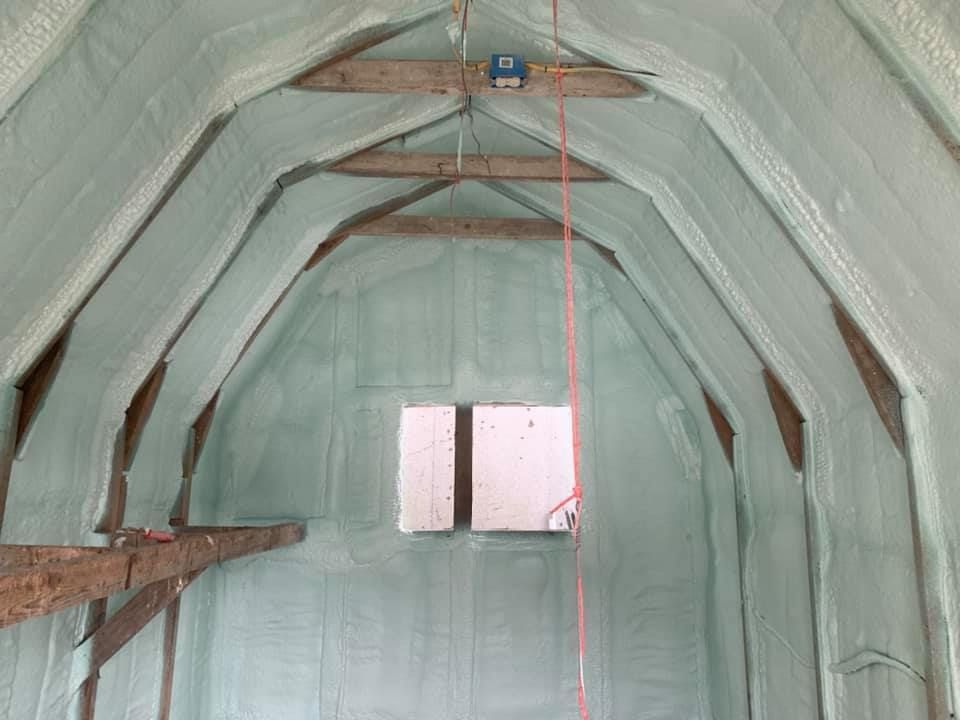
- Added Structural Strength: Due to its rigid nature, closed-cell spray foam can strengthen walls and roofs.
For projects requiring durability and moisture control, we often recommend closed-cell spray foam insulation. This added strength is especially important in the Western New York and Northwestern Pennsylvania climate.
Key Differences to Consider
Choosing between open-cell and closed-cell spray foam insulation comes down to understanding how each performs in different environments.
- Performance: Closed-cell offers higher insulation value, while open-cell provides excellent air sealing at a lower cost.
- Application Area: Open-cell is typically used indoors, while closed-cell is suitable for both interior and exterior applications.
- Budget: Open-cell is more economical, while closed-cell represents a higher upfront investment with long-term energy savings.
Our trusted insulation contractor will evaluate each project to recommend the most effective solution for your needs.
Which Option Is Right for You?
The right spray foam insulation depends on your specific goals, whether that’s maximizing energy efficiency, improving indoor comfort, or protecting against moisture. We work closely with property owners throughout Erie, PA, Fredonia, NY, and Jamestown, NY to provide customized insulation installation solutions that deliver lasting results.
If you are considering spray foam insulation for your home or business, our team at Bittinger Spray Foam Insulation LLC is here to help you choose the best option for your project.
Contact our team today to get started!